
The Role of a Gym Trainer: Your Guide, Motivator, and Fitness Partner
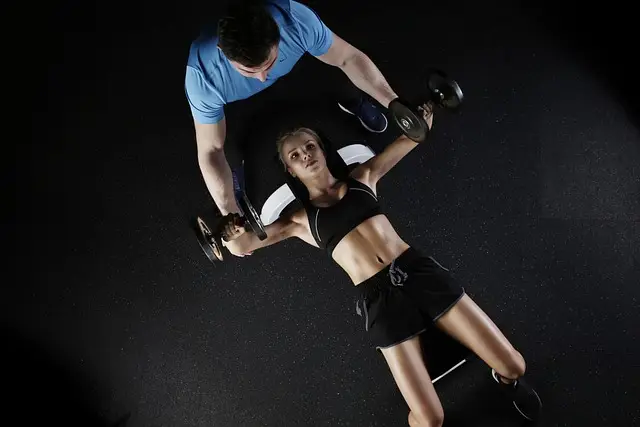
Walking into a gym for the first time can be overwhelming. Rows of machines, racks of weights, and a mix of beginners and fitness veterans can leave anyone feeling unsure. That’s where a trainer steps in—not just as a guide, but as a game-changer in your fitness journey.
Who Is a Gym Trainer
It also known as a personal trainer or fitness coach, is a certified professional who helps individuals achieve their health and fitness goals through customized workout programs, proper exercise techniques, and motivational support.
They work in gyms, fitness centers, or one-on-one with clients, offering knowledge, encouragement, and accountability every step of the way.
Why You Need a Gym Trainer
Whether you’re just starting out or trying to break through a plateau, a gym trainee can help you reach your potential faster and safer. Here’s why working with one can be a game-changer:
✅ Customized Workout Plans
A good trainee creates a routine tailored to your specific goals—be it weight loss, muscle gain, strength training, or overall fitness. No more guessing what exercises to do or how many sets to perform.
✅ Proper Form and Technique
Incorrect form can lead to injury or reduce workout effectiveness. Trainers ensure you perform exercises correctly, maximizing results while minimizing risk.
✅ Motivation and Accountability

Let’s be honest: staying consistent is hard. A trainee holds you accountable, pushes you when needed, and celebrates your wins—big or small.
✅ Education and Empowerment
Trainers don’t just tell you what to do—they teach you why. Over time, you’ll gain the knowledge to work out independently and make smarter fitness decisions.
What to Expect from a Good Gym Trainer
Not all are created equal. Here are the qualities to look for in a professional gym trainee:
1. Personalized Workout Plans
No two bodies or goals are the same. A good coach creates a customized plan tailored to your fitness level, goals, lifestyle, and any limitations you may have. Whether you want to lose weight, build muscle, or improve endurance, your trainer designs workouts that fit you.
2. Expert Guidance on Form and Technique
Proper exercise form is crucial to avoid injury and maximize results. Your trainer will teach you how to perform each movement safely and correctly, correcting your posture and technique as you go.
3. Motivation and Accountability
A great trainee keeps you motivated and committed. On days you feel like skipping, they push you to show up and give your best. They hold you accountable and celebrate your progress, making it easier to stay consistent.
4. Progress Tracking and Adjustments
Fitness isn’t static, and neither should your training be. A good trainer tracks your progress, measures results, and adjusts your workouts to keep you challenged and improving.
5. Education and Support
A good coach doesn’t just tell you what to do—they explain why you’re doing it. They educate you about fitness principles, nutrition basics, and healthy habits so you can make informed choices even outside the gym.
6. Safety First
Your health and safety are a top priority. Good trainers know how to modify exercises if you have injuries, mobility issues, or other concerns, ensuring your workouts are effective but safe.
7. Positive and Professional Attitude
Expect your trainee to be approachable, encouraging, and respectful. A positive relationship builds trust and helps you feel comfortable asking questions or sharing concerns.

A great coach is more than just a coach—they’re a partner in your progress.
Trainer vs. DIY: Is It Worth It?
Yes, there are thousands of free workouts online. But nothing compares to having a professional guide tailored to you. A gym owner provides structure, tracks your progress, adjusts your plan based on performance, and helps you stay injury-free.
If you’re serious about your fitness journey, investing in a can save you time, energy, and frustration—and deliver better results.
How to Make the Most of Your Trainer
- Be honest about your fitness level and goals
- Show up on time and ready to work
- Communicate—ask questions, share feedback
- Stay committed, even when it’s tough
- Combine your training with healthy habits outside the gym